
 42-44 Princes Highway, FAIRY MEADOW, NSW 2519



Bone Grafting for Dental Implants: Building a Solid Foundation for Your New Smile
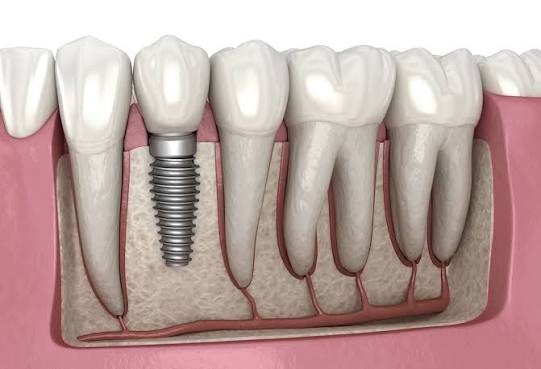
Dental implants are widely considered the gold standard for replacing missing teeth, functioning just like natural tooth roots to restore bite strength, aesthetics, and long-term oral health. However, a successful dental implant requires adequate jawbone density and volume to anchor securely.
If you have experienced tooth loss, gum disease, or trauma, you may have been told that you need a bone graft before receiving an implant. While the term sounds complex, bone grafting is a routine, predictable procedure designed to rebuild lost bone and ensure your implant has a sturdy, lasting foundation.
At Fairy Meadow Family Dental, our clinicians combine advanced 3D imaging and modern surgical techniques to assess bone structure and deliver comfortable, personalized implant care for patients across the Wollongong and Illawarra region.
Why Bone Loss Happens After Tooth Loss
Your jawbone relies on continuous stimulation from natural tooth roots during biting and chewing to maintain its density and structural integrity. When a tooth is extracted or lost, that mechanical stimulation disappears.
Within the first six to twelve months following a tooth extraction, the surrounding alveolar bone begins to resorb, naturally shrinking in both height and width. Beyond tooth loss, several other factors contribute to insufficient bone for implants:
• Long-Term Missing Teeth: Leaving gaps unfilled for years allows progressive bone resorption to thin the jaw ridge.
• Advanced Periodontal Disease: Chronic gum infections break down supporting bone structures around natural teeth before and after tooth loss.
• Trauma or Physical Injury: Facial impacts or difficult extractions can damage the surrounding bone wall.
• Anatomy of the Upper Jaw: The maxillary sinus cavities sit directly above the roots of upper premolars and molars; without sufficient vertical bone height, an implant cannot be placed safely without entering the sinus space.
How Bone Grafting Works
A dental bone graft acts as a biological scaffold. During the procedure, specialized biocompatible bone grafting material is placed in the deficit area. Over the following months, your body gradually replaces this scaffold with dense, healthy natural bone tissue through a natural regenerative process called osteogenesis.
Depending on your jaw anatomy and treatment goals, different bone graft materials may be recommended:
• Autografts: Bone harvested safely from another area of your own jaw.
• Allografts: Sterilized, processed donor bone sourced from certified tissue banks.
• Xenografts: Highly biocompatible, mineralized bone minerals typically derived from bovine sources.
• Alloplasts: Synthetic minerals such as calcium phosphate or bioactive glass that encourage natural bone ingrowth.
Common Types of Bone Graft Procedures
Bone grafting procedures are tailored to the exact location and degree of bone deficiency:
• Socket Preservation (Ridge Preservation): Performed immediately at the time of tooth extraction. Placing graft material directly into the empty socket prevents the surrounding ridge walls from collapsing while the site heals.
• Ridge Augmentation: Used when a tooth has been missing for an extended period and the jaw ridge has narrowed. Graft material is placed along the ridge to widen or heighten the bone bed for future implant placement.
• Sinus Lift (Sinus Augmentation): Carried out for upper back teeth when the sinus floor sits too close to the jawline. The delicate sinus membrane is gently elevated upward, and grafting material is placed beneath it to create sufficient vertical bone depth for stable implants.
What to Expect: From Planning to Recovery
At Fairy Meadow Family Dental, patient comfort and clinical precision guide every stage of treatment:
• Comprehensive 3D Assessment: Using digital diagnostics and 3D imaging, our dental team evaluates your bone dimensions, nerve pathways, and sinus cavities with pinpoint accuracy to plan the graft and implant placement in advance.
• Gentle, Localised Treatment: Bone grafting is performed under effective local anaesthesia in the clinic chair, keeping you completely comfortable throughout the visit.
• Smooth Healing and Integration: Minor post-treatment tenderness and swelling are easily managed with mild pain relief and post-operative care instructions. In smaller cases, grafting can sometimes be completed simultaneously with implant placement; in larger restorations, the graft heals over several months to mature into solid natural bone before the implant is anchored.
Begin Your Dental Implant Journey at Fairy Meadow Family Dental
Having less bone volume does not mean you have to compromise on replacing missing teeth. Modern bone grafting makes stable, natural-looking dental implants accessible to more patients than ever before.
If you are considering dental implants or want to find out whether bone grafting is right for you, contact our experienced team for an initial implant assessment.


 42-44 Princes Highway, FAIRY MEADOW, NSW 2519

