
 42-44 Princes Highway, FAIRY MEADOW, NSW 2519



Impacted Wisdom Teeth: 4 Signs You Shouldn’t Wait To Have Them Removed
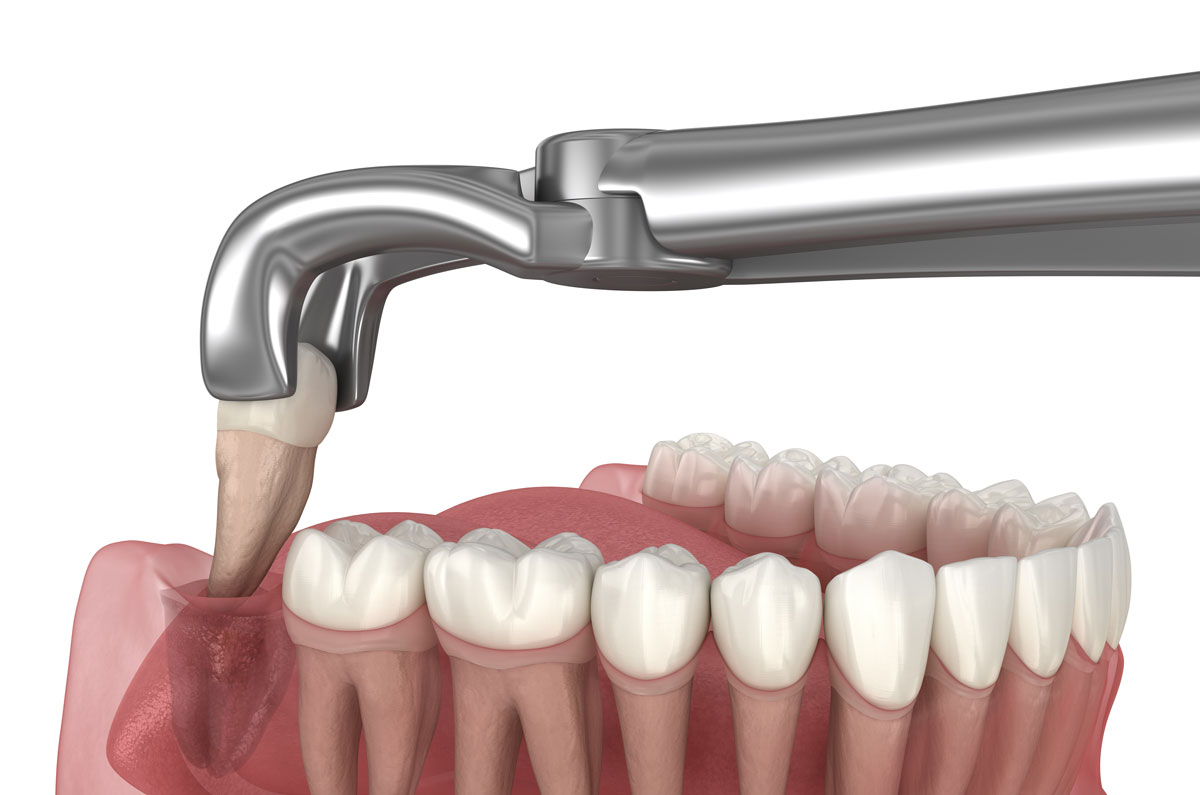
Wisdom teeth—or third molars—are the final set of teeth to emerge, typically making an appearance between the ages of 17 and 25. For a lucky few, these molars push through straight, align naturally with neighbouring teeth, and cause minimal issues.
For the vast majority of people, modern human jaws simply do not have adequate room to accommodate four large additional molars. When there isn’t enough space, wisdom teeth become impacted—trapped beneath the gumline, blocked by adjacent teeth, or growing sideways into the jawbone.
While it can be tempting to ignore a mild, intermittent ache at the very back of your mouth, postponing treatment often turns a straightforward extraction into a complex oral health issue. At Fairy Meadow Family Dental, our clinical team provides gentle, comprehensive wisdom teeth evaluations for patients across Fairy Meadow, North Wollongong, and the northern Illawarra.
Here are four critical warning signs indicating your impacted wisdom teeth need prompt professional attention.
1. Red, Swollen, or Bleeding Gums (Pericoronitis)
When an impacted wisdom tooth partially emerges through the surface of the gum, it creates a small flap of loose tissue over the crown of the tooth (known clinically as an operculum).
This flap creates an inaccessible pocket where food particles, saliva, and aggressive bacteria become trapped. Because this area is located far back in the mouth, regular brushing and flossing cannot keep it clean.
Over time, this trapped debris triggers a painful localized infection called pericoronitis. Key signs to watch for include:
• Puffy, tender, or bright red gum tissue at the back of your jaw
• Bleeding when brushing near the rear molars
• An unpleasant, foul taste or bad breath (halitosis) that lingers even after using mouthwash
• Pus or discharge oozing from around the gumline when light pressure is applied
If left untreated, pericoronitis can spread into the deeper tissue spaces of your cheek, throat, and neck, creating severe systemic complications.
2. Radiating Jaw Pain, Headaches, and Difficulty Opening Your Mouth (Trismus)
An impacted tooth does not stop trying to erupt simply because there is no room. As it forces its way forward or sideways, it exerts intense pressure against the surrounding jawbone and neighbouring tooth roots.
This continuous structural tension often manifests as:
• Radiating Discomfort: A persistent, throbbing ache that spreads from the lower jaw into your ear, temple, or neck on the affected side.
• Tension Headaches: Misaligned bite forces and muscle strain can trigger recurring morning headaches.
• Trismus (Jaw Stiffness): Inflammation in the masticatory muscles can make it physically painful or difficult to open your mouth wide enough to yawn, chew food, or speak comfortably.
When jaw stiffness and radiating facial discomfort arise, it is a clear indicator that the surrounding tissues and nerves are under acute stress.
3. Damage and Decay to the Adjacent Second Molars
One of the most destructive consequences of an impacted wisdom tooth is what happens to the healthy tooth sitting right beside it.
Wisdom teeth often grow at an angle, tilting forward directly into the root or crown of the second molar. This awkward positioning causes two major issues:
• Inaccessible Cavities: The tight, unnatural wedge between the two teeth acts as a plaque trap that cannot be cleaned. It is very common for both the wisdom tooth and the sound second molar to develop extensive cavities below the gumline.
• Root Resorption: The continuous pressure of the impacted crown pressing against the neighbouring root can cause the root structure of the second molar to dissolve and weaken (resorption).
Waiting too long can permanently compromise an otherwise perfectly healthy second molar, sometimes resulting in the need for complex root canal therapy or the loss of both teeth.
4. Persistent Sinus Pain, Pressure, or Congestion
While lower wisdom teeth impact the jaw and inferior alveolar nerve, upper wisdom teeth share an intimate relationship with your maxillary sinus cavities.
As upper wisdom teeth develop and try to push through in a crowded arch, their expanding roots can press directly against or even penetrate the floor of the maxillary sinuses. This can trigger symptoms that mimic a chronic sinus infection, including:
• A sensation of fullness or pressure behind your cheekbones and eyes
• Throbbing upper jaw pain that intensifies when you bend forward
• Persistent nasal congestion or sinus headaches that do not resolve with allergy medication
Evaluating the exact anatomical relationship between your upper tooth roots and the sinus lining with modern imaging is essential to relieving chronic facial pressure.
The Silent Threat: Cysts and Bone Loss
Even if an impacted wisdom tooth is not causing severe pain today, that does not guarantee it is harmless.
Impacted teeth remain enclosed in a developmental sac inside the jawbone. In some cases, this sac fills with fluid and forms a dentigerous cyst. As the cyst slowly expands, it hollows out the jawbone, destroys nearby bone architecture, and can damage surrounding nerve pathways.
Regular dental examinations and panoramic X-rays allow our dentists to detect these silent structural threats long before they cause irreversible bone damage.
What to Expect During a Wisdom Tooth Assessment
At Fairy Meadow Family Dental, we prioritize patient comfort, safety, and clear communication every step of the way:
1. Comprehensive Diagnostic Imaging: We take high-resolution dental radiographs (such as OPG panoramic scans) to visualize the entire jaw, assessing the root curvature, depth of impaction, and proximity to major nerves.
2. Clear Treatment Recommendations: We explain whether your wisdom teeth require immediate extraction, simple monitoring, or localized gum treatment.
3. Gentle, Comfortable Extractions: For teeth that need removal, our clinicians employ modern surgical techniques and local anaesthetics to ensure a smooth, pain-free procedure. For anxious patients or complex surgical impactions, we discuss sedation options and hospital pathways to ensure a stress-free experience.
4. Structured Post-Operative Care: We provide detailed home-care guidelines, pain management advice, and follow-up support to ensure your recovery is fast and uncomplicated.
Protect Your Smile at Fairy Meadow Family Dental
You do not have to live with recurring jaw stiffness, gum infections, or wisdom tooth discomfort. Early evaluation is the most effective way to protect your neighbouring teeth and preserve your long-term oral health.


 42-44 Princes Highway, FAIRY MEADOW, NSW 2519

